O'Maro Bekele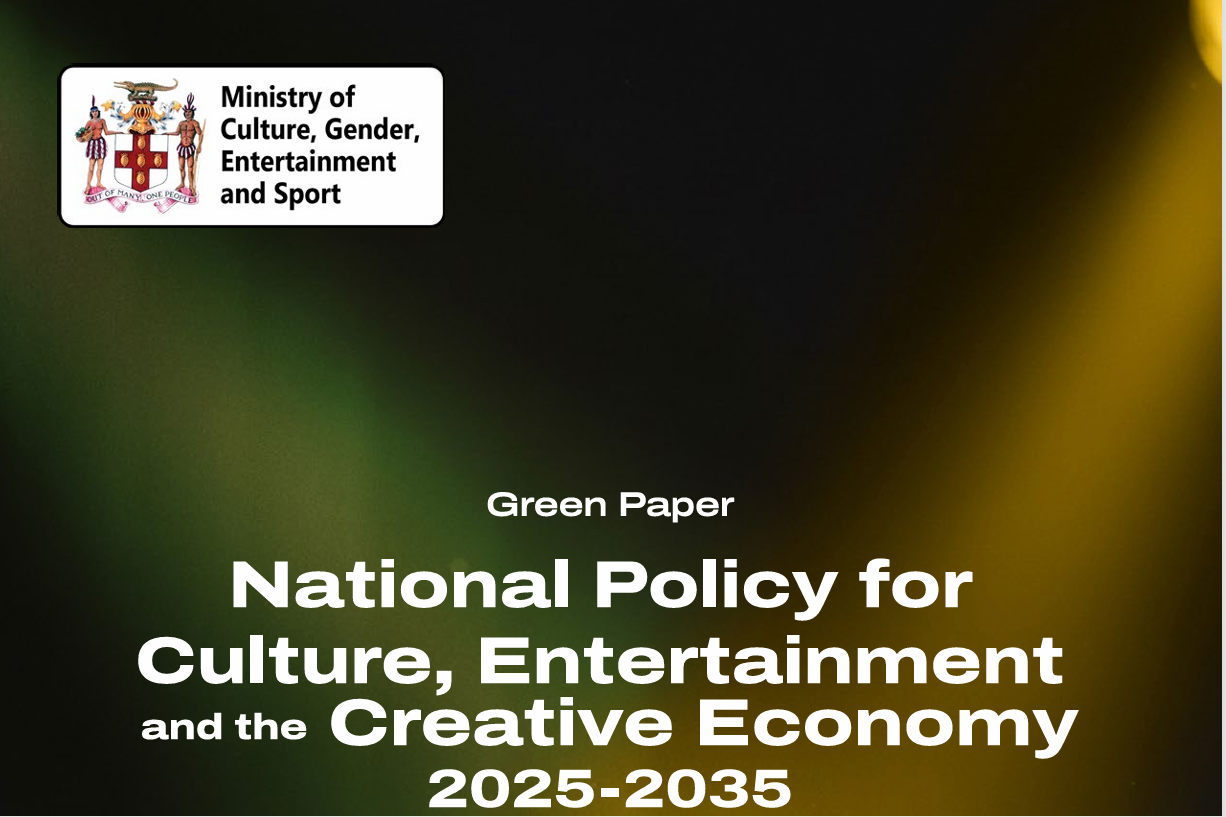
For decades, Jamaica’s culture has been one of the country’s most powerful exports. Our music has travelled the globe. Our language has shaped international popular culture. Our athletes, storytellers, dancers, visual artists and creative entrepreneurs have helped establish Brand Jamaica as one of the most recognisable national identities on earth.
Yet despite this global influence, many Jamaican creatives continue to struggle with limited access to funding, inadequate infrastructure, weak intellectual property protections and inconsistent pathways to sustainable livelihoods.
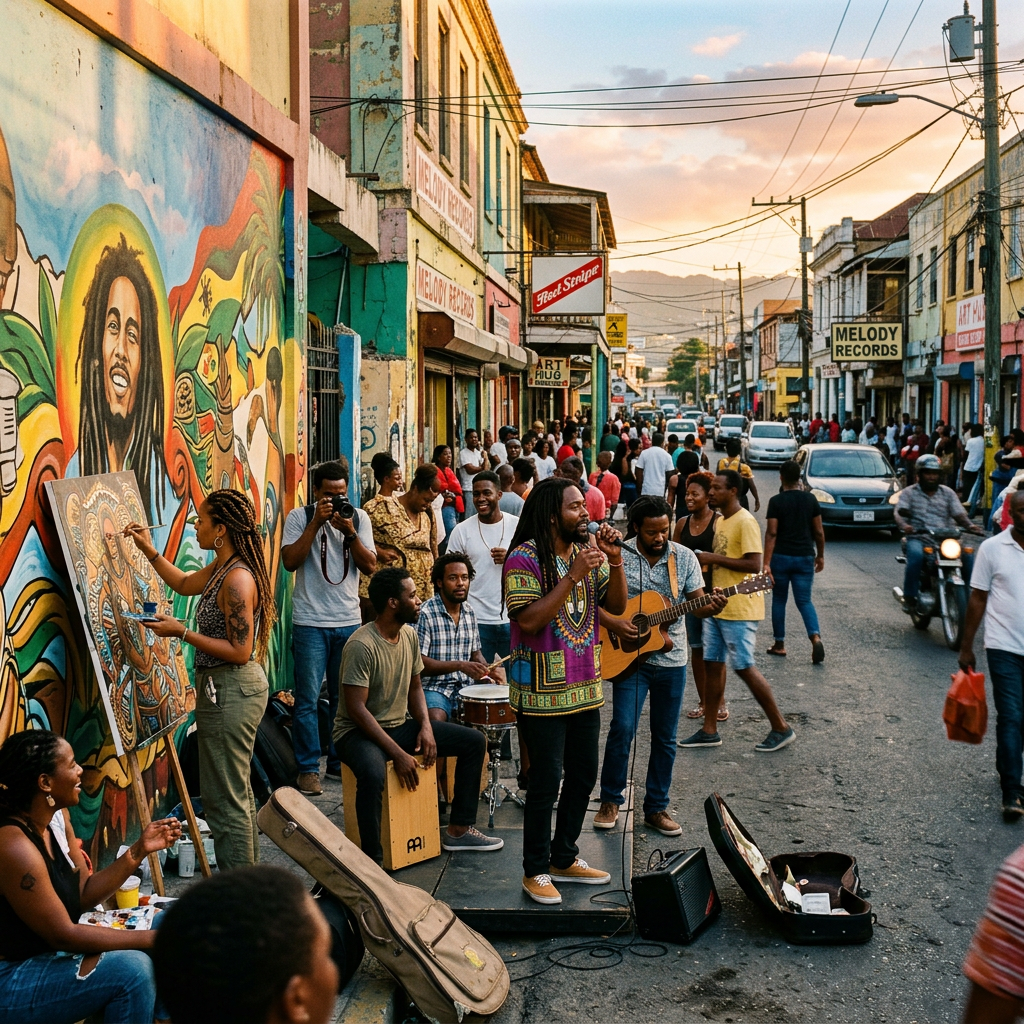
The proposed National Policy for Culture, Entertainment and the Creative Economy 2025-2035 seeks to change that.
At its core, the policy represents a significant shift in how Jamaica views culture. Rather than treating culture solely as heritage to be preserved, the policy positions culture, entertainment and creativity as drivers of national development, economic growth and social transformation.
The document outlines an ambitious vision of Jamaica as a culturally confident nation supported by a resilient and globally competitive creative economy. It proposes stronger governance structures, improved data collection, greater investment in creative industries, enhanced intellectual property protections and increased support for creative practitioners.
Perhaps most importantly, the policy acknowledges that Jamaica’s cultural and creative sectors are not peripheral to national development. They are central to it.
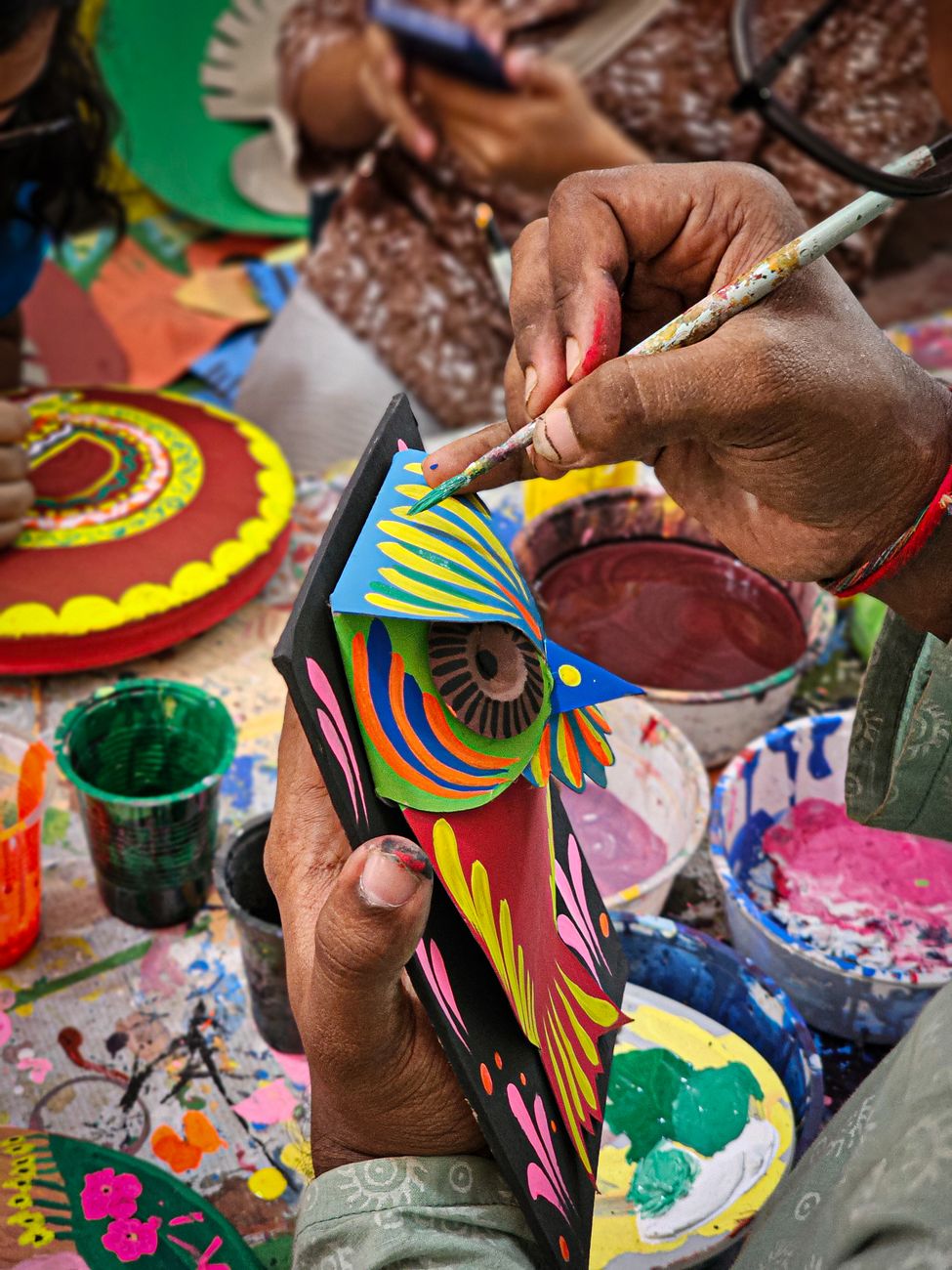
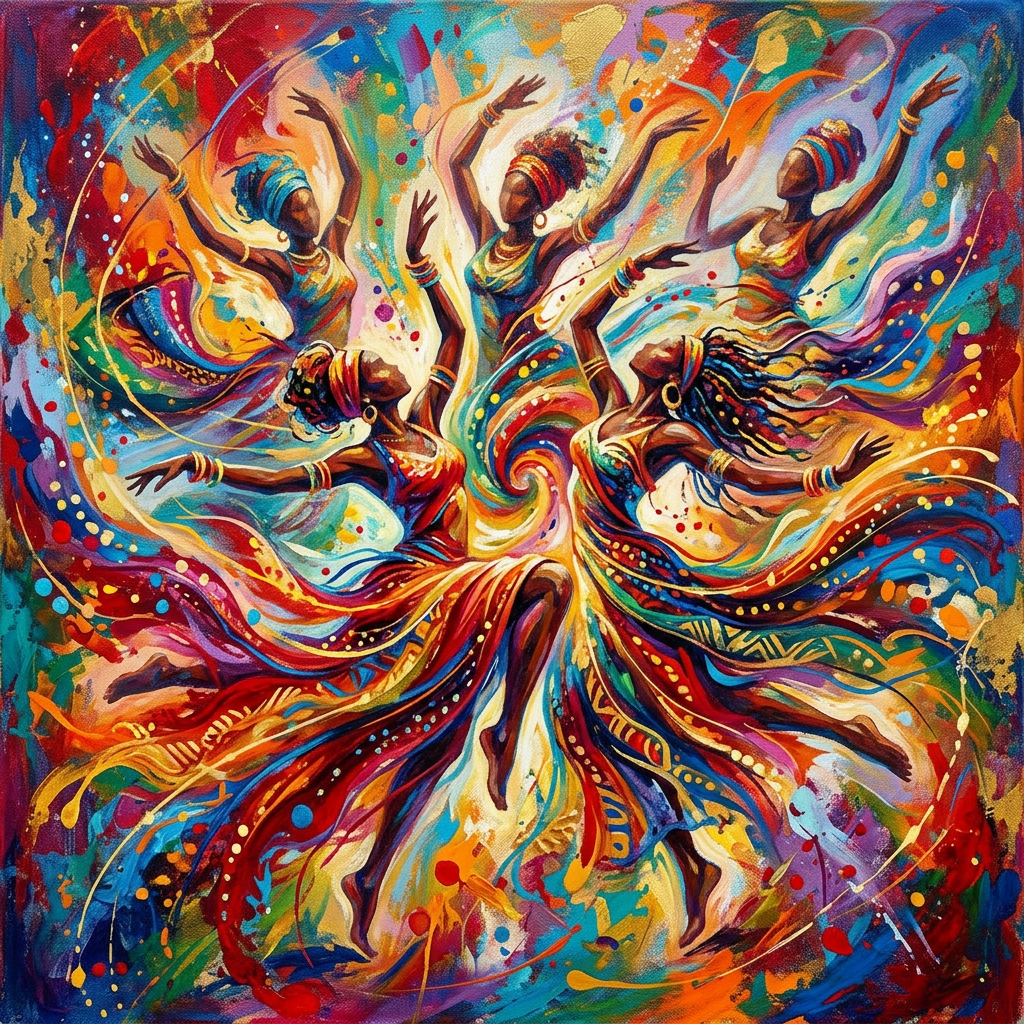
The policy recognises music, film, fashion, literature, festivals, digital arts, culinary arts and the performing arts as industries capable of generating employment, exports and wealth. It also highlights the importance of preserving tangible and intangible cultural heritage, including traditions, languages, rituals and community practices that define the Jamaican experience.
One of the most promising aspects of the policy is its embrace of innovation and technology. Artificial intelligence, digital platforms and frontier technologies are identified as tools that can help expand opportunities for creators while improving access to local and international markets.
This creates an exciting opportunity for a new generation of Jamaican entrepreneurs. The future of the creative economy will not be built only by artists. It will also be built by software developers, digital publishers, data analysts, cultural archivists and technology innovators who can create systems that support the creative ecosystem.
The policy’s success, however, will depend on implementation. The challenge is no longer recognising the value of culture. Jamaica has long understood that culture is one of its greatest strengths. The challenge is creating the structures, investments and partnerships necessary to transform cultural value into sustainable economic value.
For creatives, the policy offers hope. For investors, it offers opportunity. For policymakers, it offers a roadmap.
And for Jamaica, it offers the possibility of finally treating one of its greatest national assets not merely as a source of pride, but as a cornerstone of prosperity.
If implemented effectively, the next decade could see Jamaica move beyond being known as a cultural superpower and become a creative economy leader as well.