O'Maro Bekele
Jamaica does not have a shortage of culture. It has a shortage of infrastructure to hold what the culture already produces.
Every year the calendar fills with festivals, showcases, and one night spectaculars. Each draws a crowd. Each generates headlines. And each ends the same way: the lights go down, the vendors pack up, and the artists who carried the night go back to looking for the next booking. The event was real. The ecosystem was not.
An ecosystem is different from an event in one essential way. An event is a moment. An ecosystem is a set of standing relationships: training pipelines that feed talent, funding structures that catch artists between gigs, distribution channels that carry work past the borders of the parish where it was made, and data systems that tell everyone involved what is actually working. Take the event away and an ecosystem still functions. Take the ecosystem away and the event was always going to be a one time flash.
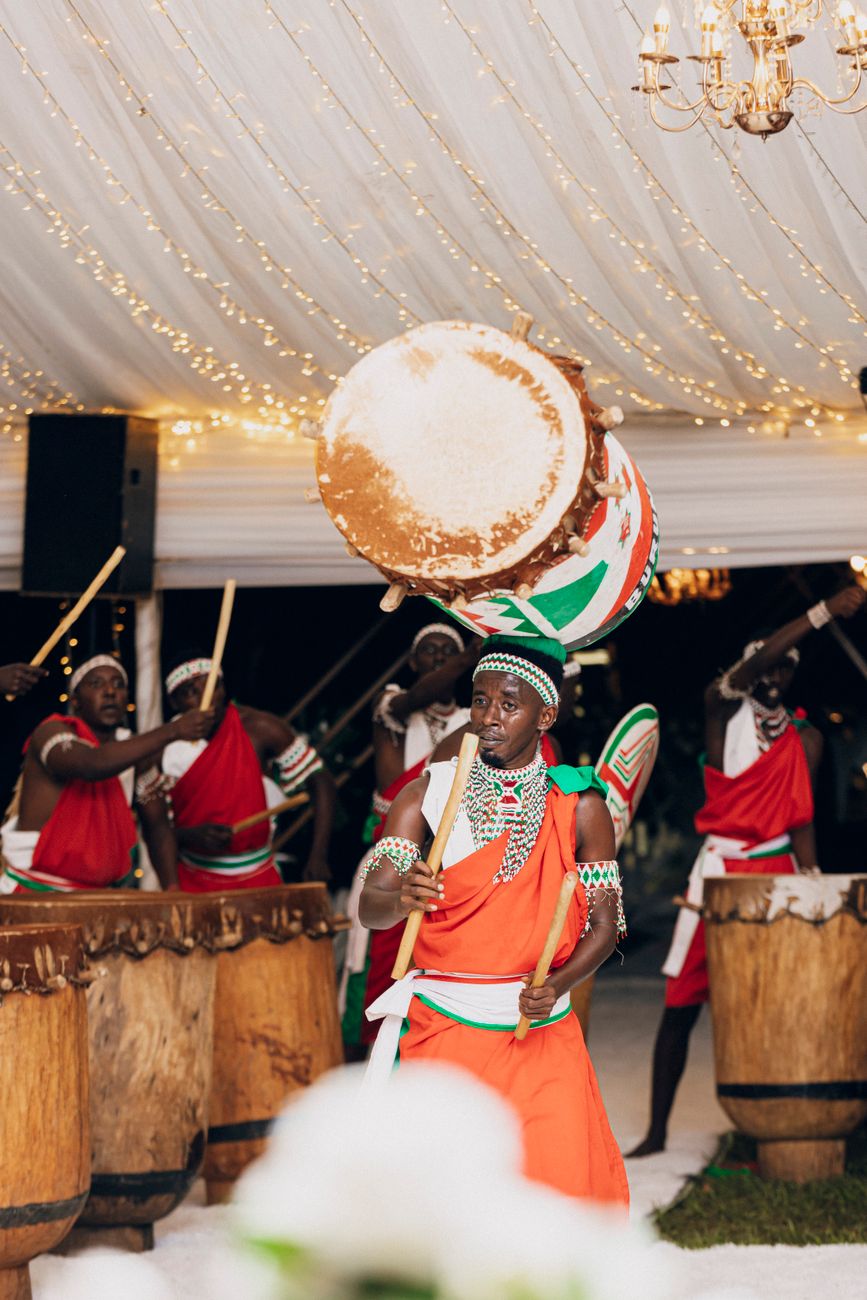
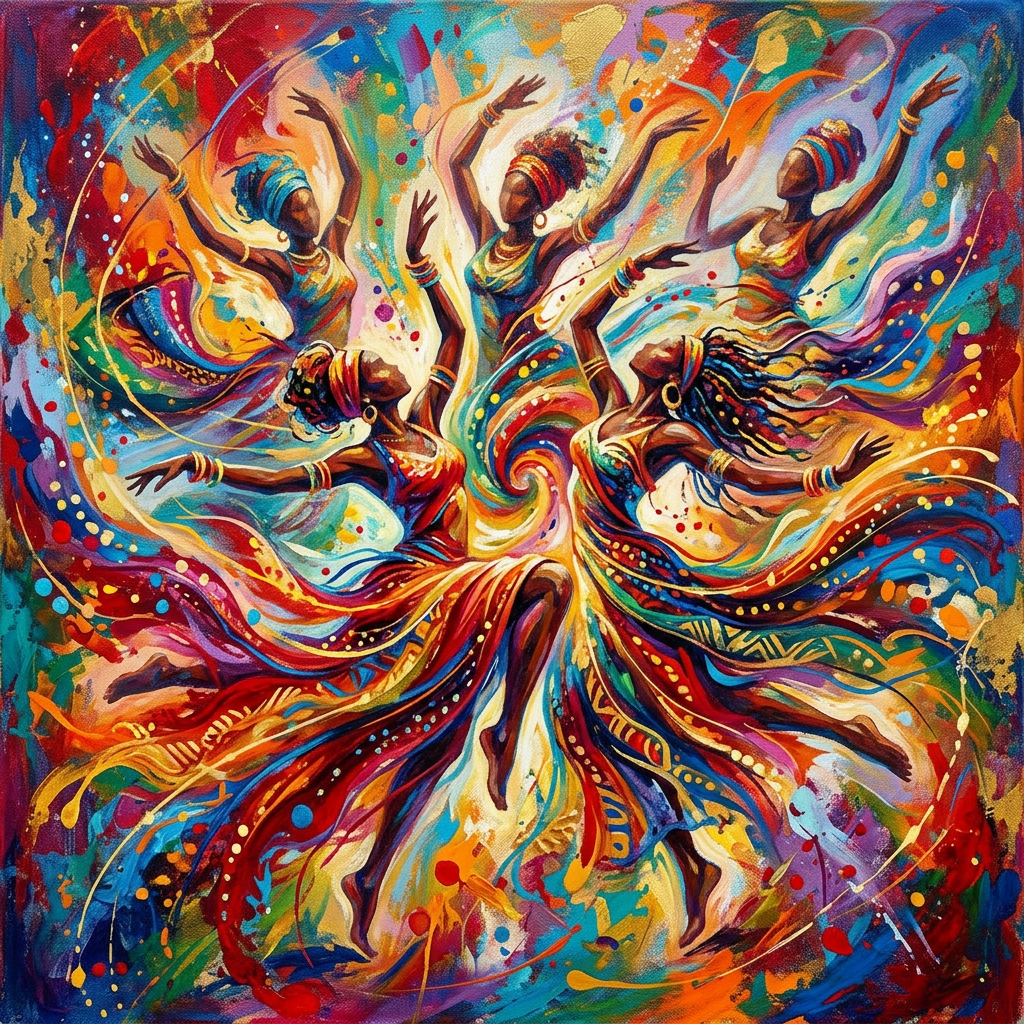
Jamaica’s creative sector has proven, repeatedly, that the talent is not the bottleneck. Dance companies, drumming traditions, theatre practitioners, dub poets, and a film community with real ambition all exist, often without waiting for permission or funding to justify themselves. What tends to be missing is the connective tissue between them. A choreographer and a costume designer may live twenty minutes apart and never collaborate because there is no shared platform that puts them in the same room. A promising short film may never reach a regional festival circuit because no one built the pipeline that gets it there.
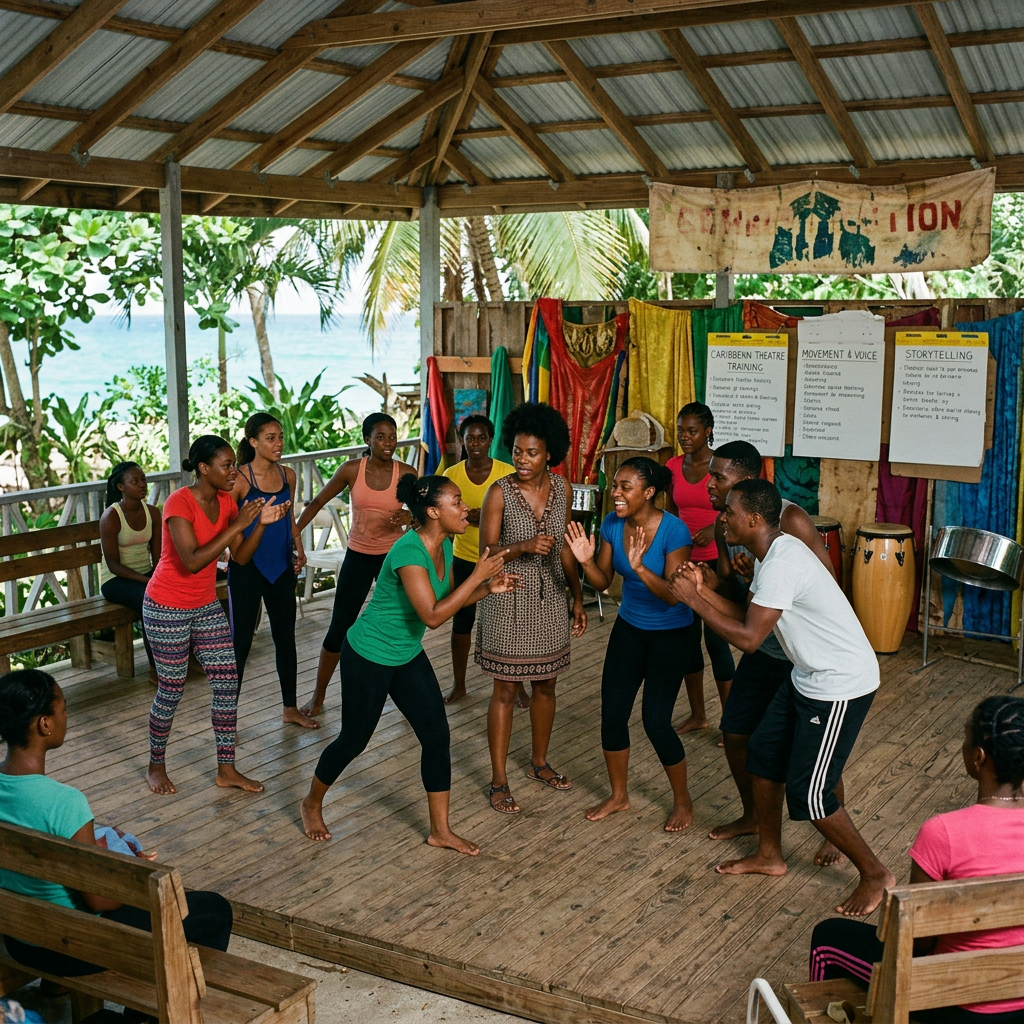
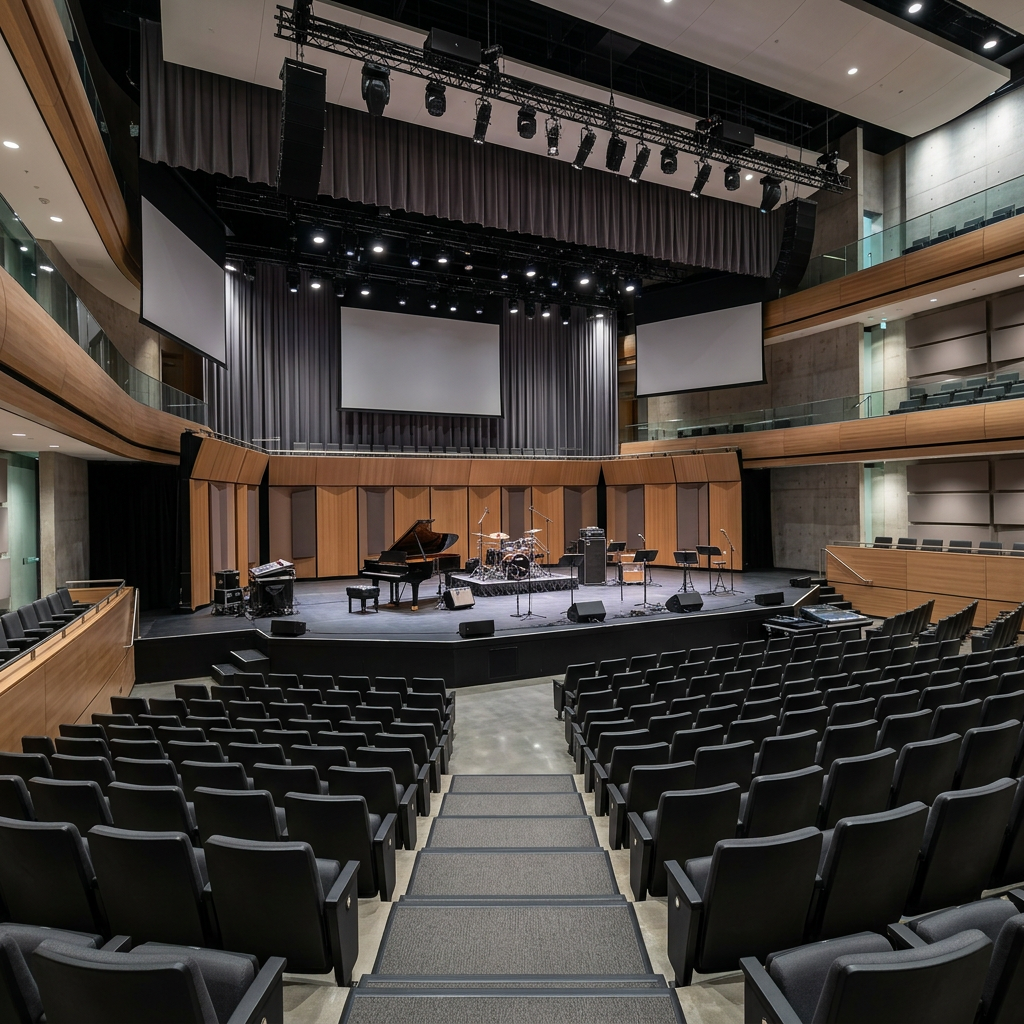
This is where the ecosystem framing becomes more than a buzzword. It asks a different question than the event model does. Instead of “how do we fill the venue this weekend,” it asks “what needs to exist year round so that talent has somewhere to grow between weekends.” That question points toward things that are less photogenic than a festival poster: apprenticeship structures, small grants that do not require a six month application cycle, shared rehearsal and production space, and consistent critical coverage that treats the work seriously rather than only covering the spectacle.
Other territories in the region have started to build pieces of this. Programmes that support artists between projects rather than only during them. Platforms that run year round instead of clustering activity into a single festival week. Jamaica has the raw material to lead on this rather than follow. What it needs is the discipline to build the parts that do not applaud back immediately.
The event will always matter. It is the visible proof that the culture is alive. But if the island keeps investing only in the visible proof and not in the machinery behind it, it will keep producing brilliant nights that do not compound into a brilliant industry. The next phase of Jamaican creative development is not another festival. It is the boring, necessary work of building the systems the festivals could finally plug into.