O'Maro Bekele
Can Jamaica Build a Billion Dollar Creative Economy?
Jamaica has long been one of the world’s most influential cultural nations.
That statement is not an expression of patriotism.
It is an observable fact.
Few countries have produced a global cultural footprint as large as Jamaica’s relative to its population size.
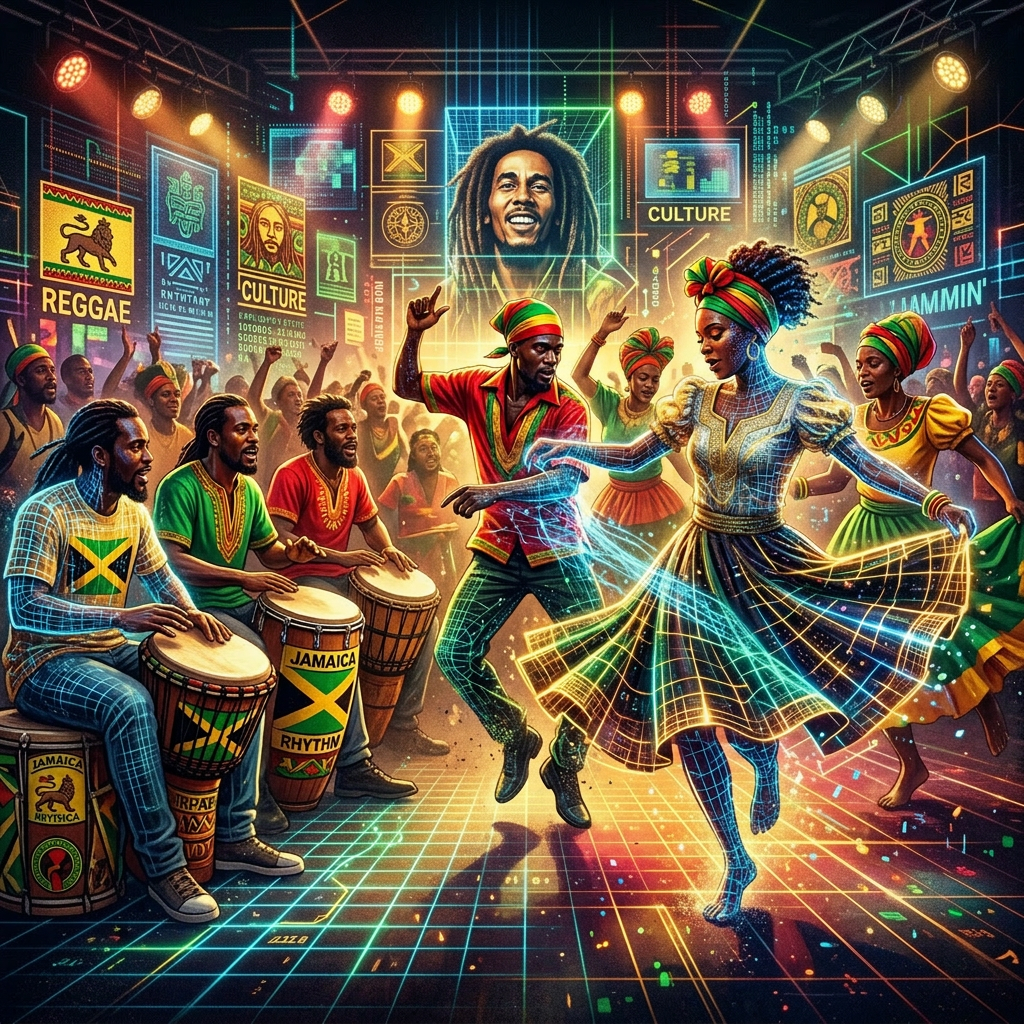
Reggae transformed global music.
Dancehall continues to shape popular culture across continents.
Jamaican athletes have become international icons.
Our language influences music, advertising and entertainment around the world.
Our food, fashion, spirituality and cultural expressions are recognised across borders.
The question is no longer whether Jamaica has cultural influence.
The question is whether Jamaica is extracting sufficient economic value from that influence.
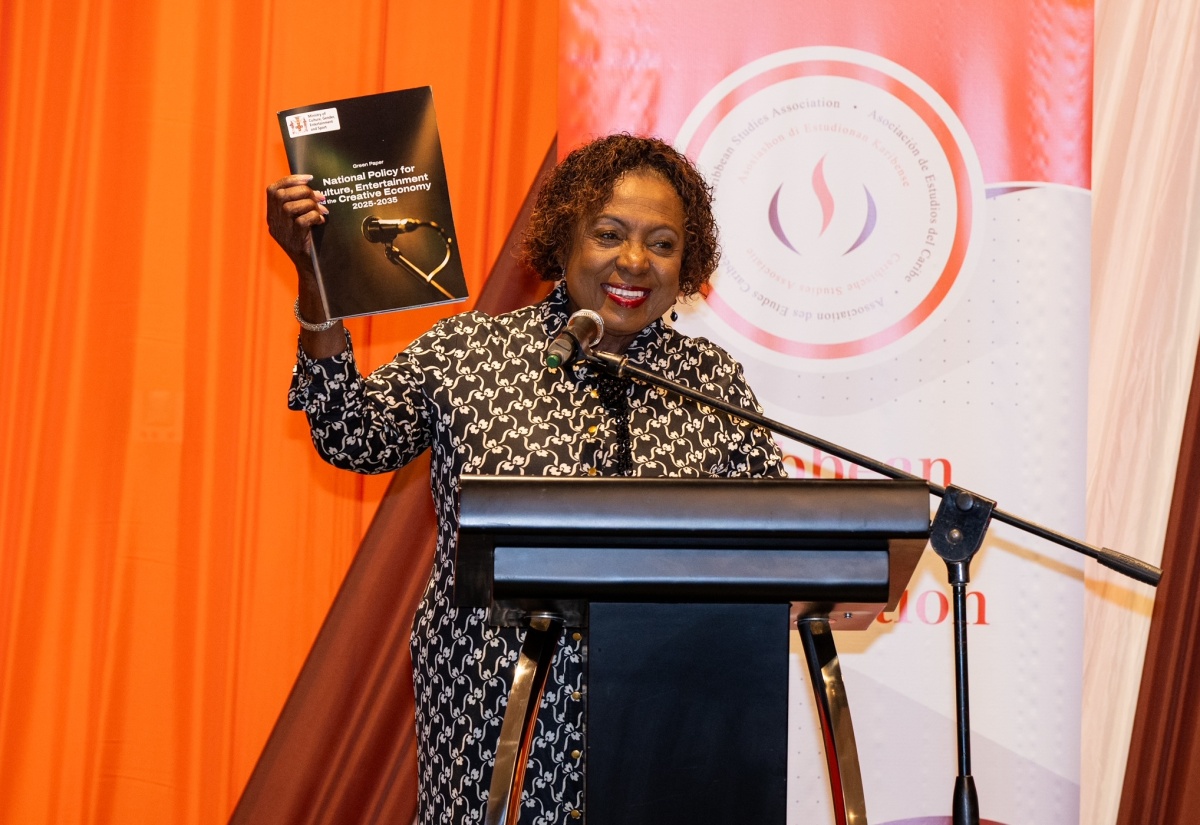
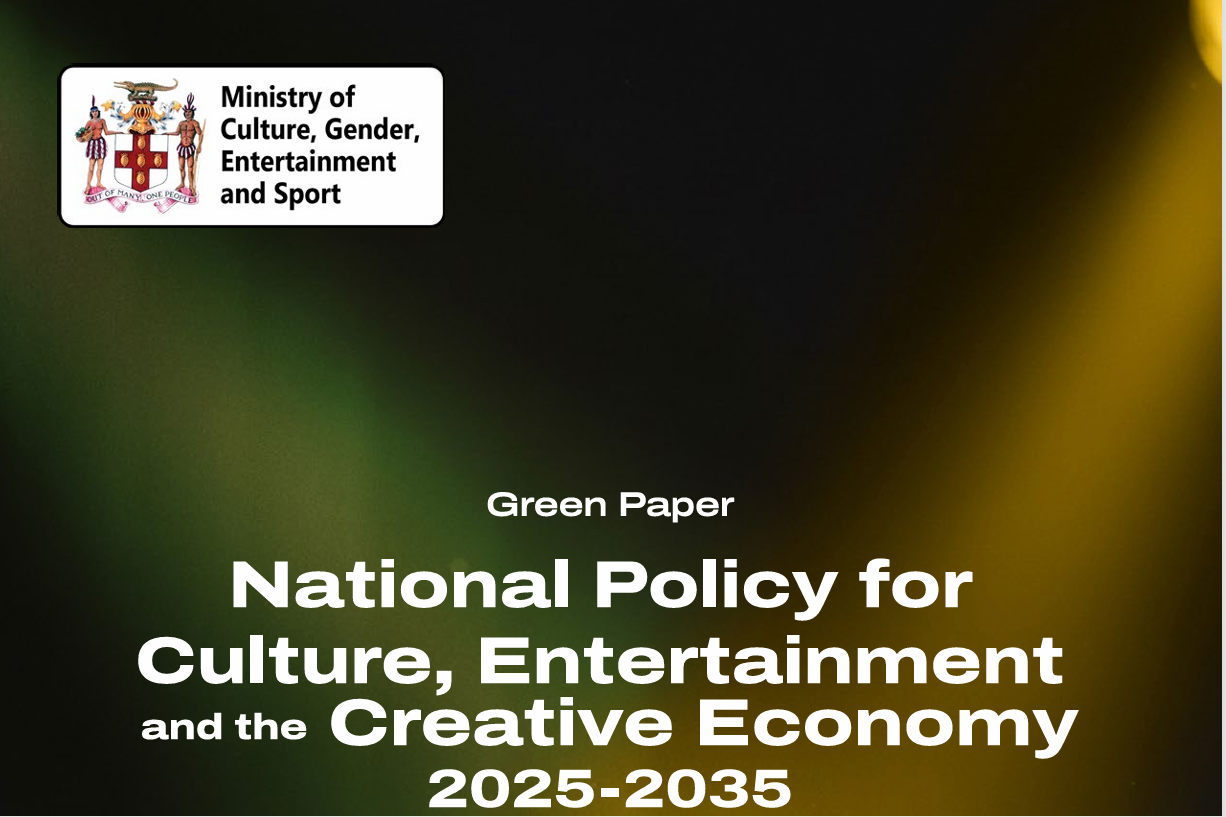
The proposed National Policy for Culture, Entertainment and the Creative Economy 2025-2035 appears to suggest that the answer is no.
Implicit throughout the document is the recognition that Jamaica possesses extraordinary cultural assets but has yet to fully organise, commercialise and scale them into a mature creative economy.
This raises an important question.
Can Jamaica build a billion dollar creative economy?
The answer depends on how we define the creative economy itself.
Many people still think of the creative sector as musicians, actors and artists.
The reality is far broader.
The creative economy includes film, television, publishing, fashion, festivals, animation, digital media, software, intellectual property licensing, cultural tourism, heritage attractions, culinary experiences, advertising, design, gaming and emerging technologies.
In other words, the creative economy is not merely culture.
It is culture transformed into products, services and experiences that generate economic value.
Jamaica already possesses many of the ingredients necessary for success.
What remains unclear is whether those ingredients can be organised into a coherent national strategy.
Consider music.
Reggae remains one of the most globally recognised musical genres ever created.
Dancehall has influenced generations of artists from Africa to Europe to North America.
Yet Jamaica does not dominate the global music business in the way that Nashville dominates country music or Seoul increasingly dominates K-pop.
This is not a failure of creativity.
It is largely a question of infrastructure, investment, ownership and scale.
The same pattern appears in film.
Jamaica has provided iconic locations, unforgettable stories and remarkable creative talent.
Yet the local film industry remains relatively small compared with its potential.
A stronger production ecosystem could generate employment not only for actors and directors but for writers, technicians, designers, marketers, educators and tourism operators.
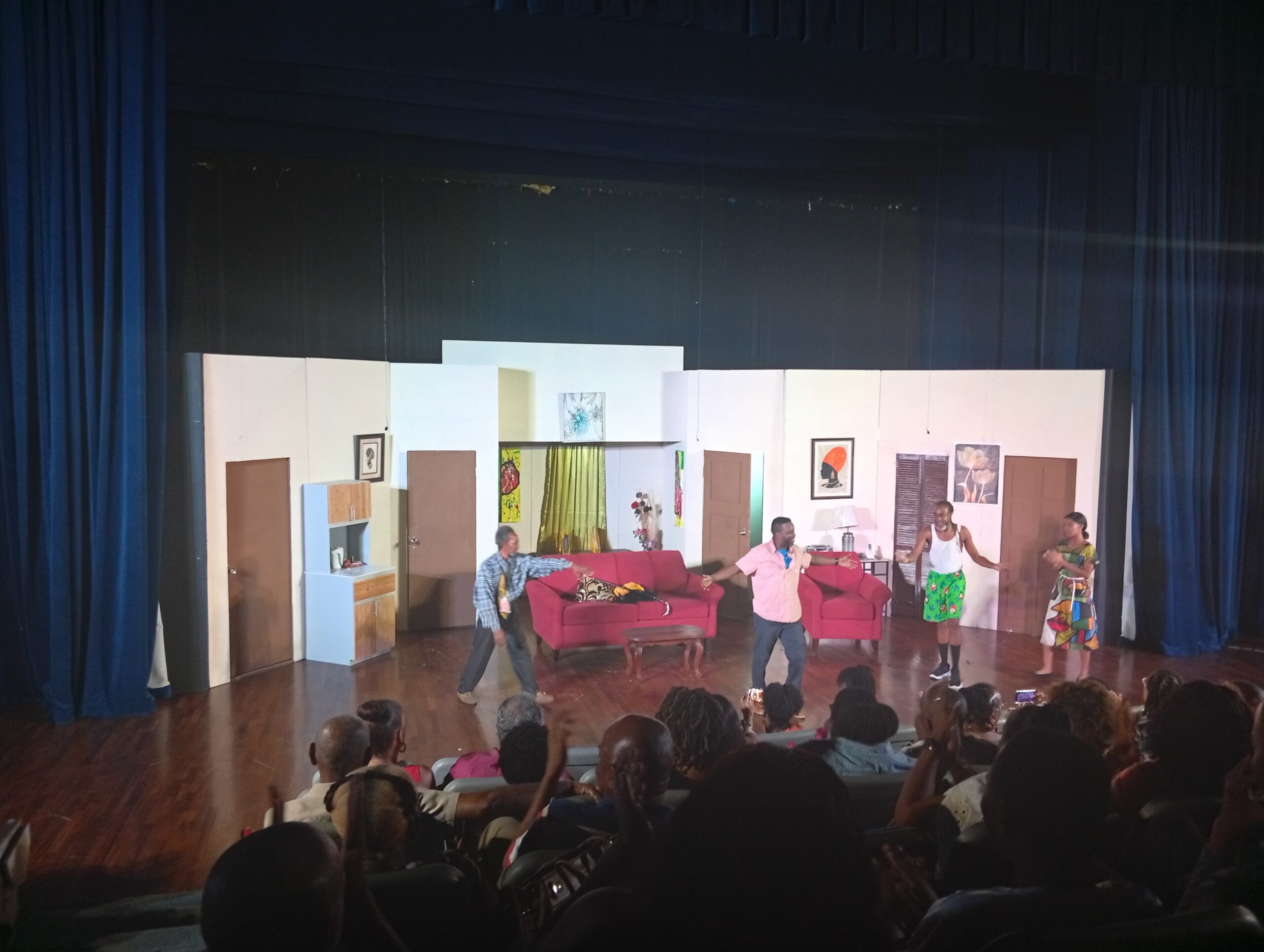
Theatre presents a similar opportunity.
Jamaica possesses a rich theatrical tradition supported by generations of performers, playwrights and producers.
However, the industry continues to face challenges related to venue availability, production financing and audience development.
Imagine a future where Jamaican theatre becomes an export industry through touring productions, digital distribution and international partnerships.
The opportunity exists.
The question is whether sufficient investment will follow.
Festivals may represent one of the most immediate growth areas.
Across the world, festivals have become economic engines capable of generating millions of dollars through tourism, hospitality, transportation, food services and retail activity.
Jamaica already hosts globally recognised cultural events.
However, there remains significant room for expansion.
The emerging concept of the Festival Economy, highlighted within the policy, recognises that festivals are not simply celebrations.
They are economic ecosystems.
A successful festival creates opportunities for vendors, artists, hotels, restaurants, transportation providers and local communities.
The impact extends far beyond the stage.
Cultural tourism may be an even larger opportunity.
Millions of people visit Jamaica every year.
Many arrive because of the country’s cultural reputation.
Yet cultural tourism remains underdeveloped relative to its potential.
Visitors often know Bob Marley.
Many know reggae.
Far fewer have meaningful opportunities to engage with Kumina traditions, Maroon heritage, Jamaican theatre, storytelling, drumming traditions, folk forms, community festivals and cultural education experiences.
The demand exists.
The challenge is creating products that connect visitors with authentic cultural experiences.
Technology introduces another layer of opportunity.
A decade ago, creative exports required substantial infrastructure.
Today, a creator can reach global audiences from a laptop.
Digital publishing, online learning, streaming platforms, virtual events and artificial intelligence have dramatically lowered barriers to entry.
This creates opportunities for Jamaican creators to build global audiences without leaving the island.
The future creative economy will not be built solely through physical products.
It will also be built through intellectual property.
Ideas.
Stories.
Characters.
Brands.
Educational content.
Digital experiences.
The policy’s emphasis on intellectual property protection reflects this reality.
Ownership may become one of the defining economic issues of the next generation.
The countries that own valuable intellectual property often generate wealth long after the original work is created.
Jamaica has produced extraordinary intellectual property.
The challenge is ensuring that Jamaicans retain ownership and receive value from it.
There is, however, one obstacle that cannot be ignored.
Fragmentation.
Many creative sectors operate independently.
Artists work separately from educators.
Festival organisers work separately from tourism stakeholders.
Technology innovators work separately from cultural practitioners.
Government agencies often operate in parallel rather than in partnership.
The billion dollar opportunity will likely require greater collaboration than currently exists.
No single organisation can build a national creative economy.
It requires a network.
Government.
Private sector.
Educational institutions.
Creative communities.
Technology companies.
Investors.
Cultural organisations.
Each has a role to play.
The proposed policy provides a framework for that collaboration.
Whether it succeeds depends largely on implementation.
Can Jamaica build a billion dollar creative economy?
The more important question may be this:
Can Jamaica afford not to try?
The world already values Jamaican culture.
The evidence is everywhere.
The challenge before us is converting that cultural value into sustainable economic value for the people who create it.
That may be one of the most important development opportunities of the twenty first century.
And it is an opportunity Jamaica is uniquely positioned to seize.