O'Maro Bekele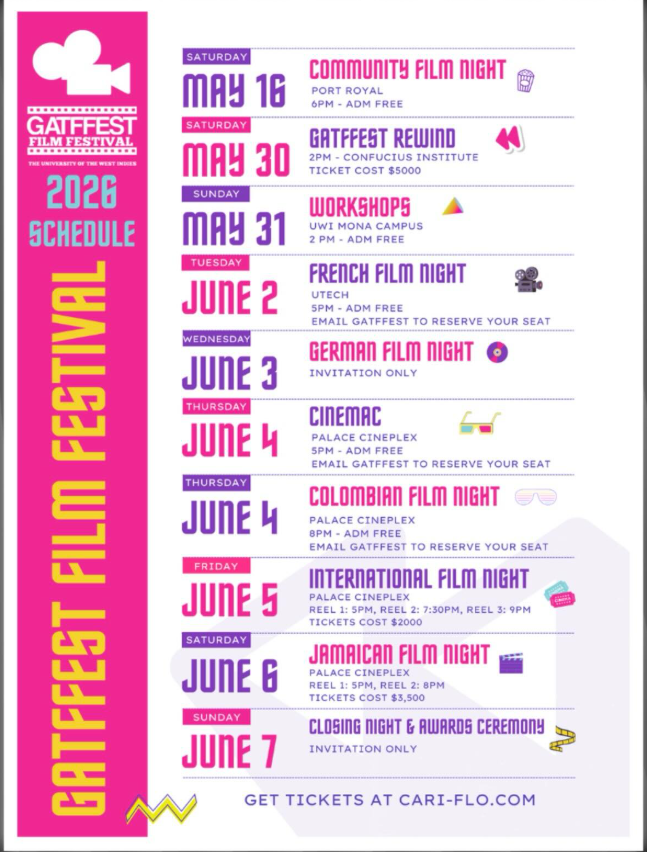
In Jamaica, some of the most important cultural movements are not beginning inside massive institutions or multimillion dollar studios. They are emerging from communities, classrooms, grassroots collaborations and the determined belief that Caribbean stories deserve to be seen, heard and preserved on screen.
That spirit sits at the heart of GATFFEST, the Caribbean’s premier community short film festival, which continues to grow into one of the region’s most important platforms for emerging filmmakers and visual storytellers.
Born out of the Greater August Town Film Project, now known as the UWI Community Film Project, GATFFEST was originally created as a space where graduates of the programme could showcase their cinematic work publicly. What began in 2013 as a localized initiative rooted in community development has steadily evolved into an internationally recognized cultural event attracting submissions from Jamaica, the wider Caribbean and beyond.
But GATFFEST represents something deeper than a traditional film festival.
It reflects a growing shift within Caribbean cinema where storytelling is becoming increasingly democratized. Young filmmakers no longer need to wait for permission from large gatekeepers to tell stories grounded in Jamaican realities, Caribbean imagination and community memory. Festivals like GATFFEST create space for those voices to exist authentically while connecting audiences directly to the people behind the lens.
The festival’s programming extends beyond screenings into panel discussions, industry conversations, workshops and cultural exchanges involving stakeholders from tourism, academia and the film industry itself. In doing so, GATFFEST positions film not simply as entertainment, but as education, economic possibility and cultural documentation.
What makes the festival especially significant is its community centered identity. The energy surrounding GATFFEST feels less corporate and more collective. It carries the atmosphere of a movement where filmmakers, students, creatives and audiences grow together in real time. There is a sense that the festival belongs to the people who participate in it.
Within Jamaica’s wider creative ecosystem, platforms like GATFFEST are becoming increasingly essential. As conversations around Caribbean representation continue globally, the importance of nurturing authentic regional voices has never been greater. Festivals like these help create the infrastructure necessary for sustainable storytelling cultures to thrive.
And perhaps that is the true power of GATFFEST.
It reminds us that cinema is not only about cameras or budgets. At its core, film is still about people gathering in dark rooms to witness stories that help them better understand themselves, their communities and the world around them.