O'Maro Bekele
What Jamaica’s New Creative Economy Policy Means for Artists, Performers and Cultural Practitioners
Whenever a new government policy is released, creatives often ask the same question:
“What does this mean for me?”
It is a fair question.
Policies can sometimes feel distant from the realities of rehearsal rooms, recording studios, festival grounds, classrooms, galleries and community spaces where creative work actually takes place.
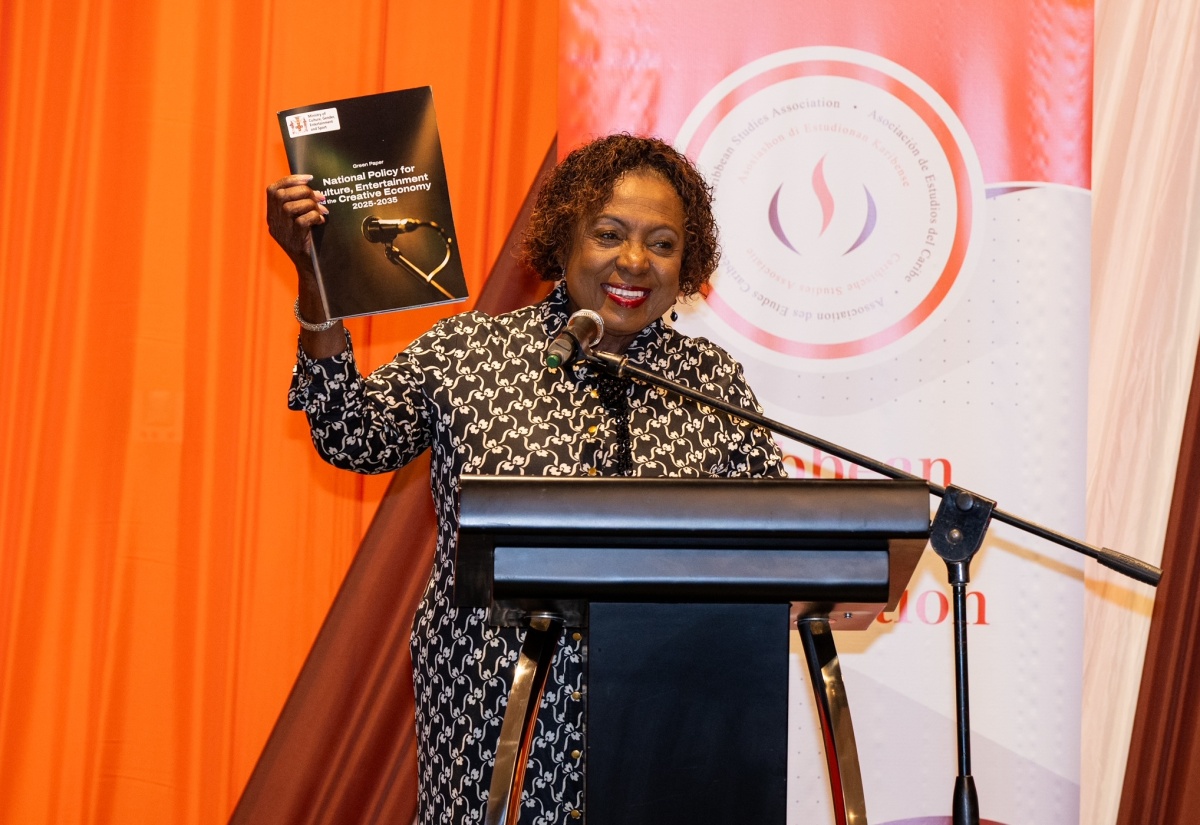
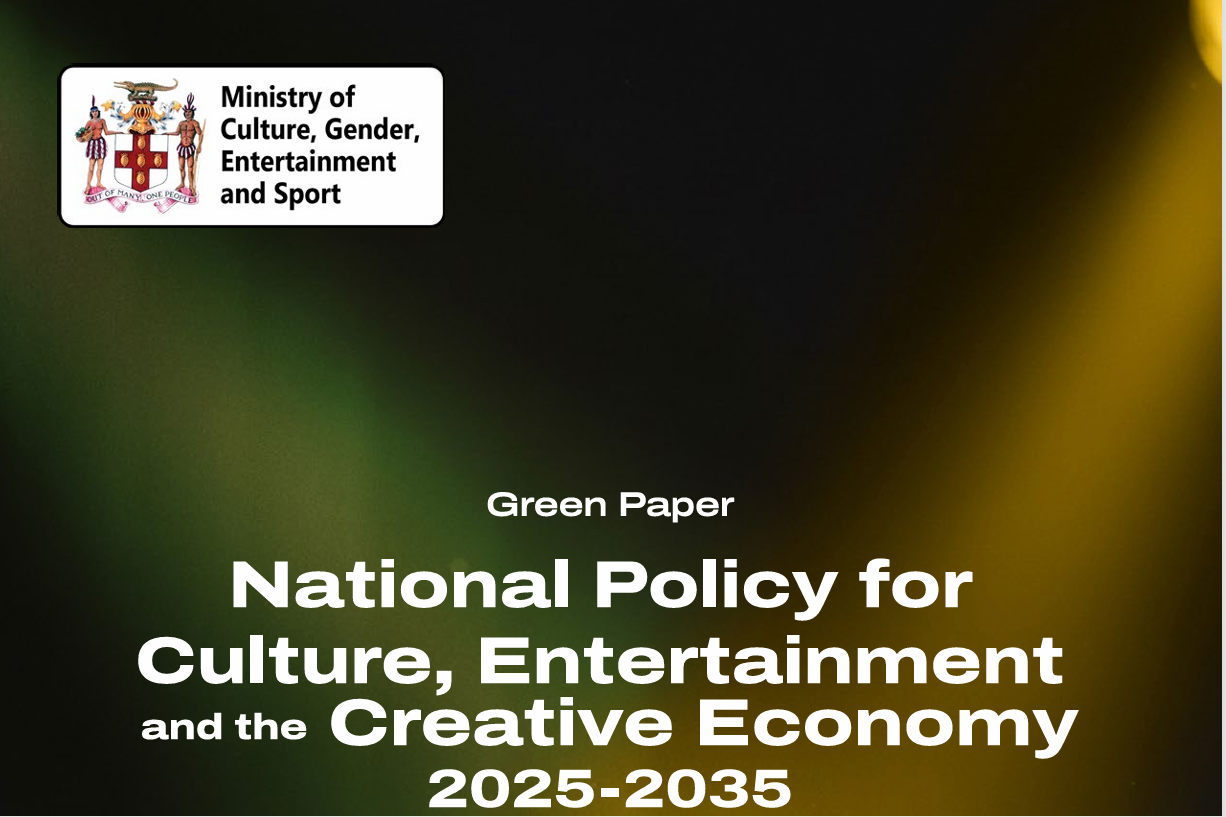
The proposed National Policy for Culture, Entertainment and the Creative Economy 2025-2035 is different because much of the document directly addresses challenges that Jamaican artists and cultural practitioners have been discussing for years.
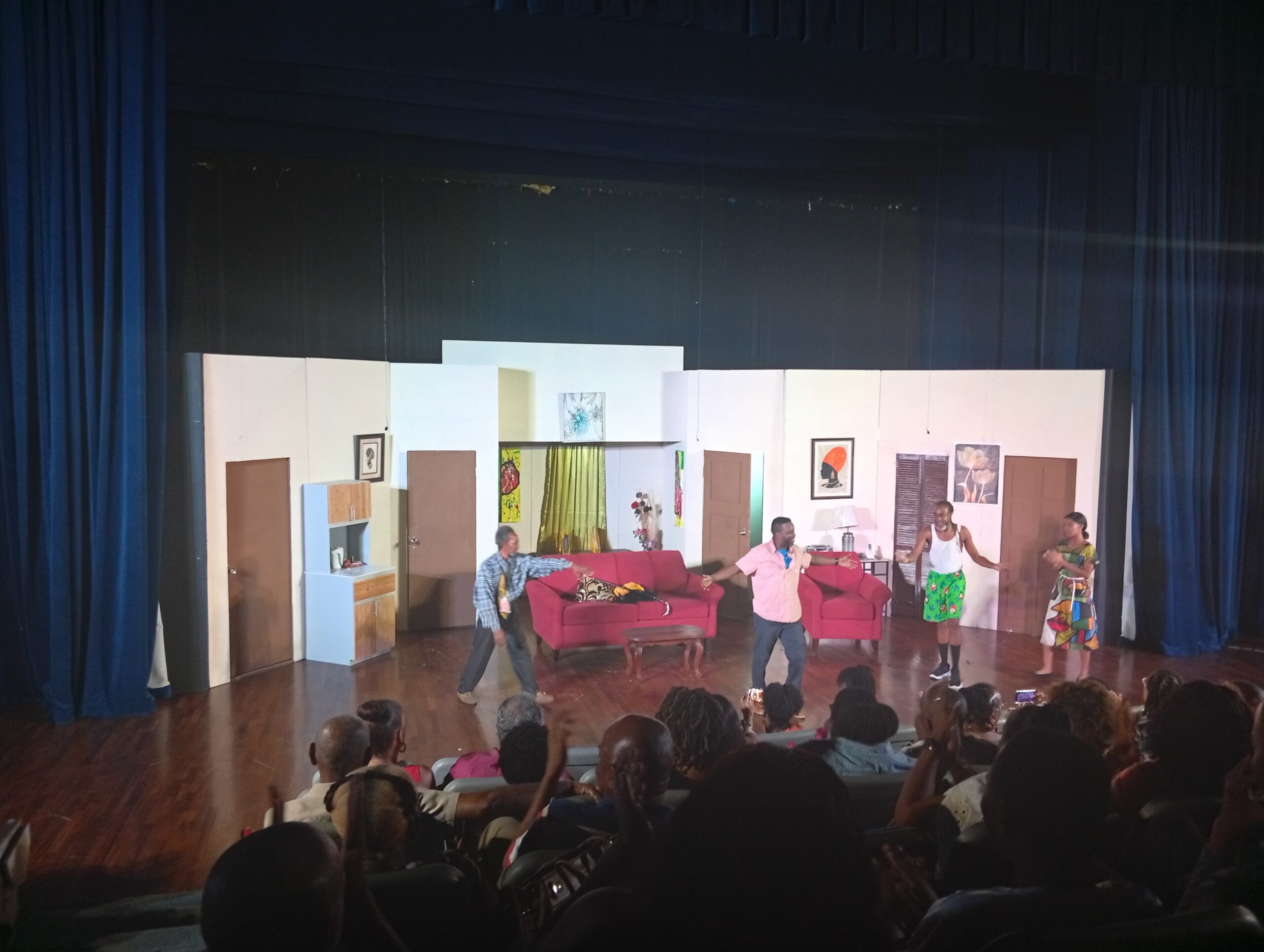
Whether you are a musician, actor, dancer, visual artist, filmmaker, storyteller, festival organiser, cultural educator or creative entrepreneur, this policy has implications for your future.
The first major shift is recognition.
For decades, many creatives have operated on the margins of the formal economy. Their work has generated cultural value, social value and economic value, yet the systems supporting them have often lagged behind.
This policy formally positions the Entertainment, Cultural and Creative Industries as a significant sector of the Jamaican economy.
That may sound symbolic, but it matters.
Recognition creates the foundation for investment.
Investment creates opportunities.
Opportunities create careers.
The policy repeatedly refers to the need to support creative practitioners as contributors to national development rather than merely participants in recreational activity.
This represents an important philosophical shift.
Another area that deserves attention is social protection.
One of the strongest observations within the policy is the acknowledgement that many creatives operate without adequate safety nets.
The reality is familiar.
An artist may perform for years without pension coverage.
A festival organiser may lose income because of a natural disaster.
A cultural practitioner may face illness or hardship without access to structured support mechanisms.
The policy calls for resilience frameworks, social protection measures and support systems designed specifically for creative practitioners.
While many details remain to be developed, the recognition of this issue alone is significant.
For years, creatives have been asking not only how to create work, but how to survive while creating it.
The policy suggests that government is beginning to recognise both concerns.
Intellectual property is another major area of focus.
Jamaica’s cultural influence is global.
Unfortunately, global influence does not always translate into economic benefit for creators.
Songs are shared.
Images are copied.
Stories are adapted.
Creative concepts are commercialised.
Too often, the original creators receive little compensation.
The policy places strong emphasis on intellectual property protection and the strengthening of systems that allow creators to benefit from their work.
For musicians, filmmakers, writers, visual artists and digital creators, this may become one of the most important areas of future development.
Ownership matters.
The ability to generate long term income from creative work matters even more.
Infrastructure is another recurring theme.
Many practitioners understand the frustration of limited rehearsal spaces, inadequate performance venues, insufficient production facilities and restricted access to professional equipment.
The policy openly acknowledges these challenges.
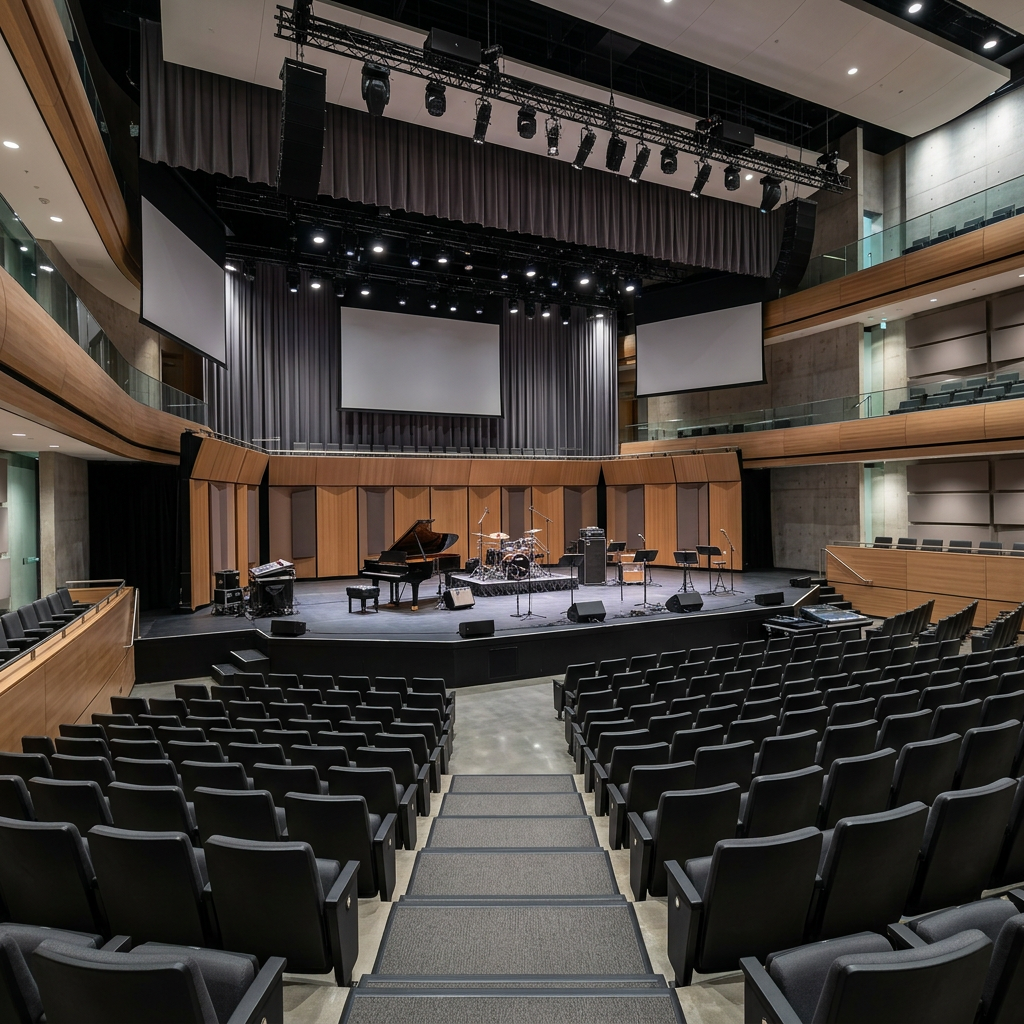
It identifies the expansion of cultural infrastructure as a priority area and recognises the need for facilities that support creation, presentation, training and innovation.
For communities outside traditional urban centres, this could become particularly important.
Creative talent exists throughout Jamaica.
Opportunities often do not.
The policy also highlights training and capacity building.
This reflects an understanding that talent alone is rarely enough.
Modern creatives increasingly require skills in entrepreneurship, marketing, intellectual property management, digital technology, project development and audience engagement.
The future creative professional may need to be both artist and entrepreneur.
The future cultural practitioner may need to be both creator and business owner.
The future performer may need to understand branding, digital distribution and data analytics alongside artistic practice.
The policy recognises this reality and calls for increased investment in human capital development.
Funding is another issue that will attract significant attention.
The document repeatedly references sponsorship, investment mechanisms, funding initiatives and support programmes.
For many creatives, access to capital remains one of the greatest barriers to growth.
Ideas are abundant.
Resources are not.
While the policy does not create funding programmes by itself, it establishes a framework through which future initiatives may emerge.
This may include public funding, private investment, public private partnerships and international development support.
The key point is that the policy creates a justification for future investment in the sector.
Perhaps the most exciting opportunity lies in the policy’s embrace of technology.
Artificial intelligence, digital platforms and emerging technologies are no longer viewed as external forces acting upon the creative industries.
They are increasingly viewed as tools that can strengthen them.
For younger creatives especially, this creates opportunities that did not exist a generation ago.
A creator in rural Jamaica can now build audiences globally.
A filmmaker can distribute content digitally.
A storyteller can preserve oral histories through technology.
A musician can generate income from multiple digital channels.
A cultural educator can create online learning experiences.
The policy recognises that the future of creativity will be increasingly digital.
What does all of this mean for the average creative?
It means the next decade may offer greater opportunities than the last.
It means culture is moving closer to the centre of economic discussions.
It means government is beginning to recognise that creative practitioners require more than applause.
They require systems.
They require infrastructure.
They require protection.
They require investment.
Most importantly, they require recognition as professionals whose work contributes to national development.
The policy does not solve every problem facing the sector.
No document can.
What it does provide is a framework through which many of those problems can finally be addressed.
For artists, performers and cultural practitioners, that may be the most important opportunity of all.
The conversation is no longer about whether creativity matters.
The conversation is now about how Jamaica can build an economy that values those who create.